Women in Web3: Beyond the Tech Industry

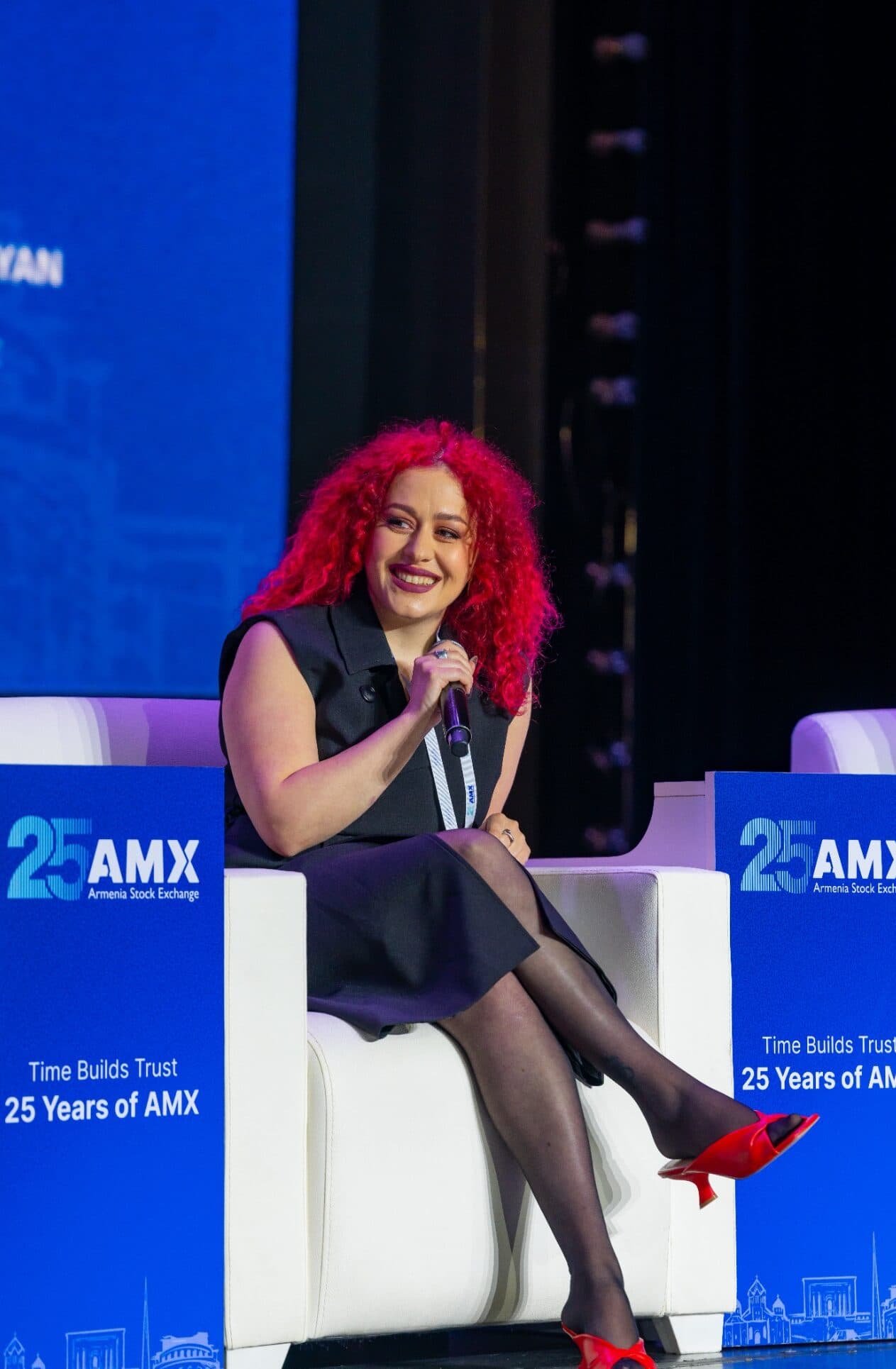
From banking and marketing to leading digital-asset initiatives at Armenia Securities Exchange, Metakse Ghambaryan has spent more than six years working across the Web3 ecosystem. In this interview with GrantiX, she discusses women's roles in the industry, why access to education matters, and how blockchain-based tools could create opportunities for entrepreneurs beyond the technology sector.
1. How did you first get into Web3? What attracted you to the industry, and what made you decide to build your career in it?
My journey into Web3 wasn't exactly a traditional one. I came from a background in banking and marketing, and my first real introduction to the industry was through working on marketing for a cryptocurrency exchange.
Initially, I was fascinated by how rapidly the industry was developing, but what really made me stay was discovering the ideology behind Web3: decentralization, ownership, financial freedom, and the possibility of building systems that give people more control over their assets and opportunities.
Over the past six-plus years, I've had the opportunity to work with international crypto businesses, build communities, and contribute to educational initiatives through Web3 Armenia. That experience gave me a much broader perspective on the industry, beyond the technology itself.
Today, I lead crypto and digital-asset initiatives at Armenia Securities Exchange, where my focus is on connecting Web3 innovation with traditional financial infrastructure.
I think that's what makes this journey so interesting for me. I started by communicating the value of Web3, and today I'm working on building the infrastructure that can make its adoption possible on a much larger scale.
2. Web3 has historically been a male-dominated industry, but we're seeing more women building businesses, leading communities and educating others. How has this changed during your career, and what do you think still needs to improve?
I've definitely seen a positive shift over the years.
When I first entered the industry, women were less visible, especially in technical, executive, and decision-making positions. Today, we're seeing more female founders, executives, educators, developers, and community leaders shaping the ecosystem.
And I think that's important because women aren't just participating in Web3 anymore; they're influencing where the industry is going.
Through my work with Web3 Armenia and international projects, I've met incredibly talented women who bring different perspectives and skills into the space.
But I also think we need to move beyond simply celebrating women in Web3. Representation matters, but real progress means having women involved in strategic decisions, accessing investment, leading companies, and developing the technology itself.
One thing I'd particularly like to see is more women entering Web3 from other industries. We sometimes forget that this ecosystem needs much more than developers. It needs people with experience in finance, law, marketing, education, business development, and many other fields.
The goal shouldn't be to create a separate space for women in Web3. It should be to make sure women have equal opportunities to shape the industry.
3. At GrantiX, we work with women like Manushak, a social entrepreneur from a small Armenian village who's learning to use crypto to fund her business. Do you think Web3 can create meaningful opportunities for women outside the tech industry?
Absolutely. In fact, I think examples like Manushak's represent one of the most meaningful applications of Web3.
We often discuss blockchain in terms of trading, investments, and sophisticated financial products. But its real potential goes much further.
Imagine a woman running a small business in a rural Armenian community. She may have a great product, a strong idea, and the motivation to grow, but limited access to funding, international customers, or financial services.
Web3 can potentially help bridge some of those gaps by offering new ways to raise funds, connect with global supporters, receive cross-border payments, and build communities around a business or social initiative.
Of course, the technology needs to be accessible, secure, and understandable. We shouldn't expect someone running a small business to become a blockchain expert just to benefit from it.
For me, the most exciting part is that a woman doesn't need to work in technology to benefit from technological innovation.
If Web3 can help someone in a small Armenian village develop her business, access new opportunities, or become more financially independent, that's a much stronger demonstration of its value than any market hype.
4. What could the Web3 community do to make these technologies more accessible to women who may have limited access to education, funding or digital tools?
I believe we need to start by changing how we introduce Web3 to people.
Too often, we begin with complicated terminology: blockchains, wallets, tokens, protocols. But most people don't need to understand the technical architecture before they understand why something might be useful to them.
Through my experience building the Web3 Armenia community and working on educational initiatives, I've learned that the most effective approach is to connect technology with real-life needs.
If we're speaking to a small business owner, let's show her how digital payments or blockchain-based fundraising might work. If we're speaking to a student, let's introduce the career opportunities. If we're speaking to an entrepreneur, let's explain what new business models are possible.
We also need more local-language education, practical workshops, mentorship, and partnerships with organizations that already work with women in different communities.
And just as importantly, education must include digital security, financial risks, and responsible use of these tools. Accessibility isn't just about opening a wallet; it's about giving people the confidence and knowledge to use technology safely.
I believe education should create opportunities, not simply explain technology.
5. What would you say to a woman who's curious about Web3 but feels it's too complicated or not meant for her?
I'd probably start by saying that I didn't enter Web3 as a technical expert either.
My background was in banking and marketing, and much of what I know today came from curiosity, practical experience, and being willing to learn something new.
You don't have to understand everything from day one. Honestly, even people who've worked in this industry for years are constantly learning because the technology is evolving so quickly.
Start with something that interests you. It could be digital finance, entrepreneurship, marketing, design, education, or simply understanding how blockchain works.
Find a community, ask questions, and don't be afraid of not knowing the answers.
And most importantly, don't feel that you need to fit a particular profile to belong in Web3.
The industry doesn't need more people who all think alike. It needs people with different backgrounds, experiences, and ideas.
If you're curious, that's already a good reason to start exploring.